Enhance Your Artistic Projects with the Genuine Vintage Letters SUPERPACK 1700
Vintage typography is more than just an aesthetic choice—it's a doorway to history, creativity, and authenticity. For designers, artists, educators, and hobbyists alike, incorporating vintage letters into their work can elevate visual storytelling, add character, and evoke a sense of nostalgia. One exceptional resource that stands out in this space is the Genuine Vintage Letters SUPERPACK 1700. This collection offers an authentic and comprehensive set of over 1700 historical letterforms drawn from sources such as old catalogues, books, magazines, and ad type specimens. With styles spanning many historical periods, it’s a treasure trove for anyone looking to enrich their creative projects with real vintage flair.
What Is the Genuine Vintage Letters SUPERPACK 1700?
The Genuine Vintage Letters SUPERPACK 1700 is a curated digital library of typographic elements inspired by centuries of printing history. Each letterform is sourced from actual historical materials, ensuring that they reflect the craftsmanship and style of their time. The pack includes a wide variety of alphabets and decorative characters, such as:
- Gothic Blackletter: A bold, medieval script often associated with German texts and religious manuscripts.
- Formal Classic Serifed Romans: Elegant and timeless fonts reminiscent of early printed books and newspapers.
- Tuscan Letters: Known for their simplicity and strong contrast, these are ideal for rustic or Italian-themed designs.
- Bodonian Styles: Featuring high contrast between thick and thin strokes, these fonts are favored for sophistication and luxury.
- Colored Models: Unique variations that offer a chromatic twist on traditional lettering.
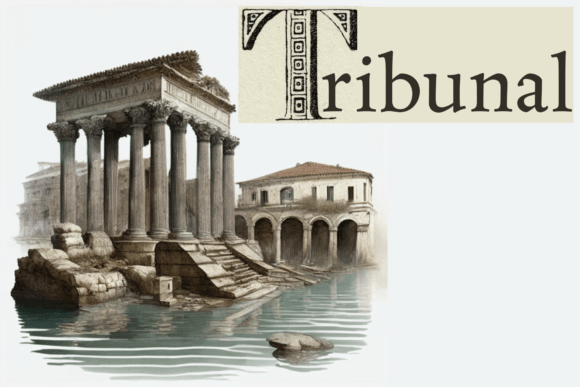
- Cadels and Neoclassic Forms: Inspired by classical architecture and design principles.
- Recherché Baroque and Lombardi: Ornate and dramatic styles perfect for theatrical or artistic presentations.
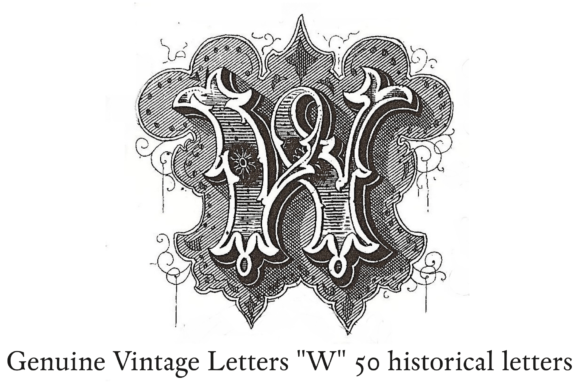
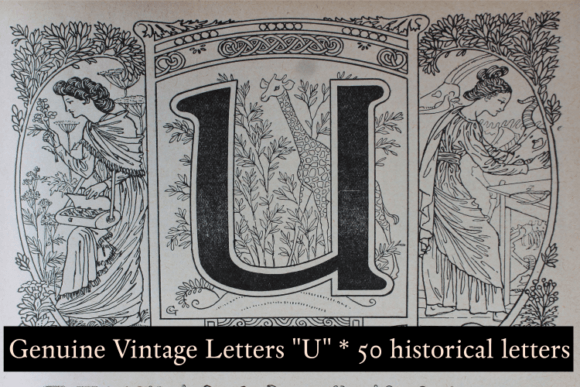
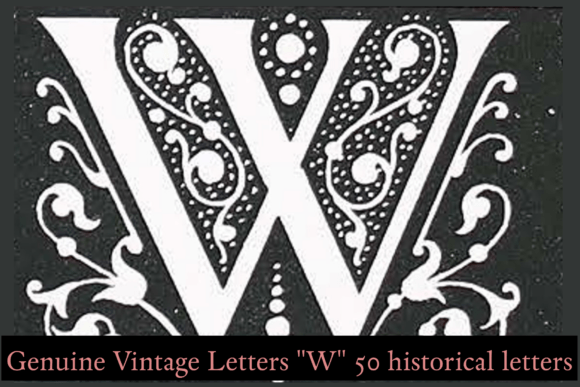
- Drop Ornamented Caps: Decorative capital letters with flourishes, commonly used in book titles and illustrations.
This diverse range ensures that users can find the perfect letter style for nearly any project, whether they're designing book covers, creating vintage-style advertisements, or adding unique touches to educational materials.
Why Use Historical Lettering in Modern Design?
In today’s fast-paced digital world, originality and authenticity are highly valued. Many modern designs rely on clean, sans-serif fonts for clarity and efficiency. However, there's something uniquely captivating about using historical lettering. It adds a layer of context, character, and creativity that contemporary fonts often lack.
Historical letters can help communicate a specific era, mood, or theme. For example, using Gothic Blackletter might suggest a medieval or academic tone, while Tuscan letters could lend a warm, rustic feel. These typographic choices allow designers to craft visuals that resonate with cultural or historical significance.
Practical Applications Across Industries
The Genuine Vintage Letters SUPERPACK 1700 is not just for art lovers. Its versatility makes it relevant across various fields:
- Book Design and Publishing: Drop caps are a classic feature in book layout, especially in print editions. Using genuine vintage letters can give your publications a distinctive, handcrafted appearance that appeals to readers who appreciate artisanal design.
- Advertising and Branding: Vintage lettering can help brands stand out by tapping into retro aesthetics or heritage themes. Whether you’re promoting a new line of wines or crafting a campaign for a boutique hotel, these letters can make your message feel timeless and trustworthy.
- Education and Academic Work: Teachers and students can benefit from these letters when creating posters, presentations, or classroom decorations that highlight historical topics or literary works.
- Graphic Design and Illustration: From logos to album art, these letterforms provide inspiration and tools to create unique visuals that pop with personality.
- Business and Marketing Materials: Businesses aiming to create a nostalgic or elegant vibe can use these letters in brochures, invitations, and branding guides to differentiate themselves in a competitive market.
How to Incorporate These Letters into Your Work
Using the Genuine Vintage Letters SUPERPACK 1700 effectively requires understanding how different styles function within a design. Here are some practical tips to get started:
Drop Caps and Title Designs
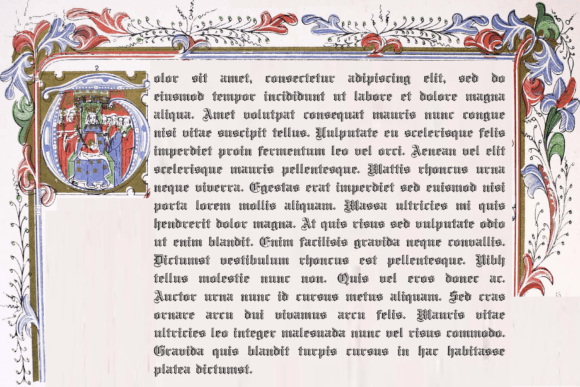
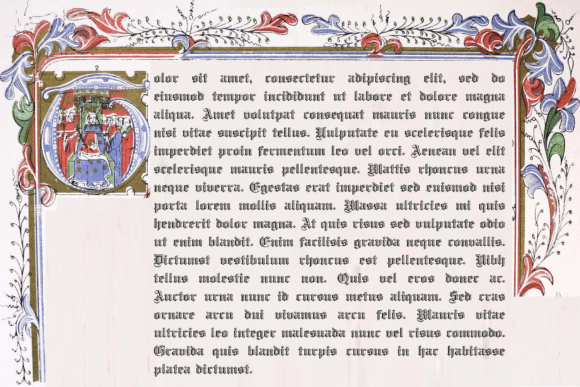
One of the most common uses of vintage lettering is for drop caps—those large, stylized first letters at the start of a chapter or section. These not only serve a decorative purpose but also guide the reader through the content. By selecting a suitable letter from the SUPERPACK, you can instantly enhance the look and feel of your document.
Folder and File Labeling
For those working in archives, libraries, or historical documentation, using vintage lettering in folder labels can help maintain a thematic consistency. It can also make organization visually appealing, turning mundane tasks into opportunities for creativity.
Illustrations and Posters
Whether you're illustrating a children's book or designing a poster for a theater production, the SUPERPACK provides a rich palette of ornamental and structural letters. These can be integrated directly into vector software like Adobe Illustrator or Photoshop to add texture and depth to your compositions.
Custom Typography Projects
Designers interested in creating custom fonts or lettering styles can study the SUPERPACK to understand how historical lettering evolved. These examples serve as both inspiration and reference material, helping to inform new creations with a solid foundation in typographic tradition.
Understanding Typographic History Through Authentic Sources
Many of us encounter vintage fonts in movies, books, or online, but few have access to the actual sources where these designs originated. The Genuine Vintage Letters SUPERPACK 1700 changes that. By sourcing from real historical documents, the collection allows users to explore the evolution of typography in its truest form.
For instance, if you're designing a book cover for a novel set in the 18th century, choosing a font from an old French magazine would be more accurate and meaningful than using a generic "vintage" font. This level of detail helps create immersive experiences for the audience, reinforcing the narrative through visual language.
Exploring Different Styles and Periods
The SUPERPACK spans multiple typographic eras, each with its own unique characteristics:
- Medieval and Renaissance Styles: Often characterized by intricate strokes and calligraphic forms, these are great for fantasy, historical fiction, or art-inspired designs.
- Baroque and Rococo Influences: These styles are ornate and dramatic, ideal for grand or theatrical projects.
- Neoclassical and Revival Fonts: Clean yet structured, these are popular in formal settings and architectural design.
- 19th-Century Advertising Type: Bold and colorful, these fonts capture the spirit of the industrial revolution and commercial print era.
Common Misconceptions About Vintage Lettering
Despite their popularity, vintage lettering styles are often misunderstood. Here are a few myths debunked:
- Myth: Vintage fonts are only for retro themes. While they do excel in period-specific designs, they can also be reinterpreted in modern contexts. Think of a minimalist logo with a single drop cap in a baroque style—the contrast can be striking.
- Myth: These fonts are too difficult to read. Some vintage styles are indeed ornate, but many were designed for readability in their time. When used appropriately (e.g., in headings rather than body text), they can enhance legibility and visual interest.
- Myth: You need advanced skills to use them. Not true! With clear instructions and organized categorization, even beginners can integrate these letters into their work. Software compatibility and format flexibility further ease the learning curve.
Integrating Vintage Letters into Digital Workflows
Thanks to digital tools, incorporating vintage lettering into your workflow has never been easier. Most fonts included in the SUPERPACK are available in standard formats like TTF or OTF, making them compatible with widely used design software. Additionally, many include OpenType features such as ligatures and alternate characters, which add authenticity and flexibility.
Here’s how to make the most of these resources:
- Install the Fonts: Add the selected fonts to your system and import them into your preferred design application.
- Experiment with Pairings: Try combining different styles for contrast or harmony. For example, pair a formal Roman with a more playful cadel for added visual interest.
- Use as Textures: If you want to avoid using the letters as primary text, consider scanning them and applying them as textures or overlays in graphic design projects.
- Study Their Construction: Understanding how these letters were built can help you improve your own hand-lettering or digital typography skills.
The Educational Value of Historical Typefaces
Typography is a vital component of communication and design education. Teaching students about historical lettering styles can deepen their appreciation for the field and help them develop a stronger typographic vocabulary. The Genuine Vintage Letters SUPERPACK 1700 serves as an excellent teaching tool because it:
- Provides real-world examples from actual historical documents.
- Encourages cross-disciplinary learning by connecting design with history, literature, and culture.
- Helps students understand the evolution of design and how past influences shape modern practices.
Teachers can assign projects based on specific styles, asking students to recreate them digitally or by hand. Such exercises promote critical thinking, attention to detail, and historical awareness—all valuable skills in any creative field.
Preserving the Past for Future Creativity
Typography isn’t just about words; it’s about how we express ideas and emotions through form. The Genuine Vintage Letters SUPERPACK 1700 plays a crucial role in preserving these typographic treasures for future generations. In doing so, it empowers creatives to draw from a vast well of inspiration without losing sight of the roots that shaped their craft.
Moreover, the availability of such collections democratizes access to historical design elements. No longer limited to museum archives or rare books, vintage lettering is now at the fingertips of anyone with a computer and a passion for creativity.
Final Thoughts
The Genuine Vintage Letters SUPERPACK 1700 is more than just a collection of fonts—it’s a bridge between the past and present. Whether you're a professional designer, an educator, or a curious hobbyist, this resource offers endless possibilities for enhancing your work with authentic typographic elements.
By exploring the styles within the SUPERPACK, you not only elevate your projects but also connect with the long-standing traditions of lettering and typography. In a world driven by innovation, sometimes the best way forward is to look back—and let history inspire your next masterpiece.