Medieval Blackletter: A Gothic Font for Timeless Design
Fonts are more than just tools for conveying text; they’re visual storytellers. The Medieval Blackletter font is a perfect example of how typography can transport audiences to another time and place. Rooted in the calligraphy of medieval scribes, this style carries an air of mystique and tradition that’s unmatched by modern sans-serif or serif typefaces. Whether you're designing for branding, print media, digital platforms, or creative projects, Medieval Blackletter adds a layer of character that speaks volumes.
What Is Medieval Blackletter?
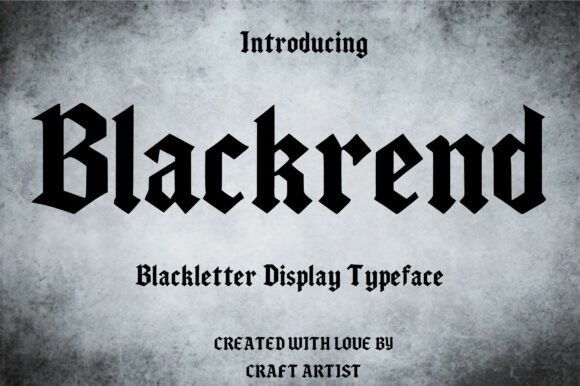
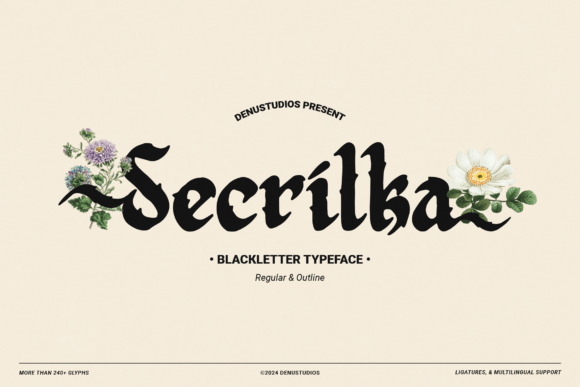
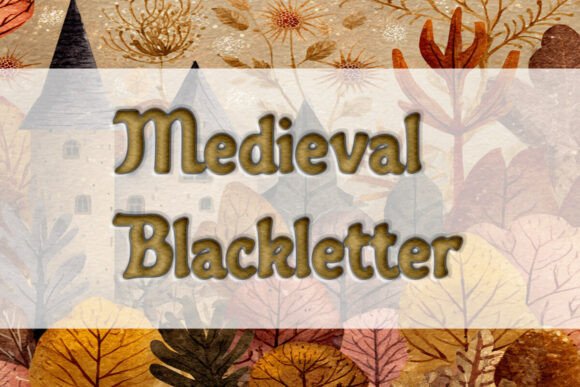
Blackletter, also known as Gothic script, has its origins in 12th-century Europe. It was commonly used in handwritten manuscripts before the invention of the printing press. The Medieval Blackletter variant retains those archaic features — angular strokes, thick downstrokes, and ornate flourishes — while being refined enough for digital use. This balance between historical authenticity and contemporary adaptability makes it a standout choice for designers looking to evoke a sense of age-old craftsmanship.
The letters are structured with sharp diagonals and high contrast, giving them a bold presence on any canvas. Unlike many fonts that prioritize minimalism, Medieval Blackletter embraces complexity without overwhelming the reader. Its unique aesthetic is ideal for content where the design needs to do more than inform — it needs to inspire.
Why Use Medieval Blackletter in Your Projects?
This font isn't just decorative; it's functional. Here are some reasons why Medieval Blackletter could be your next go-to typeface:
- Historical resonance: Instantly connect with themes of chivalry, ancient wisdom, or fantasy worlds.
- Visual impact: Stand out in a sea of modern designs with its dramatic flair and distinctive shape.
- Versatility: From digital assets to physical merchandise, this font adapts well across formats.
- Audience engagement: Capture attention on social media, posters, and marketing materials with a touch of the old world.
Its appeal lies in the way it bridges past and present. You can use it to create a vintage look for a new product, or infuse a mythical quality into your blog posts and editorial work. As long as the context supports its tone, Medieval Blackletter can enhance your message in subtle yet powerful ways.
Branding and Merchandise
If your brand leans into history, mythology, or fantasy, Medieval Blackletter can help establish a strong identity. Think of it as the voice of a knight in shining armor or the seal of a royal decree. It works exceptionally well for logos, t-shirts, stickers, and packaging that aim to stand apart from the crowd.
For instance, a boutique selling handcrafted wooden toys might use Medieval Blackletter in their logo to emphasize traditional methods and timeless appeal. Similarly, a fantasy-themed coffee shop could apply the font to signage and cups to reinforce the whimsical atmosphere.
Print Media and Editorial Design
Magazines, book covers, and greeting cards benefit greatly from the richness of Medieval Blackletter. Its intricate letterforms add a sense of gravitas, making it suitable for titles, headings, and even body text when appropriately spaced and styled.
In editorial design, consider using it for chapter titles in historical novels or as a headline for articles about heritage, culture, or adventure. For greeting cards, especially those with holiday or seasonal themes like Christmas or Halloween, this font can evoke nostalgia and enchantment.
Digital Creativity and Social Media
Even in the digital space, Medieval Blackletter finds its place. When used correctly, it can elevate SVG files, banners, and other web-based graphics with a rich, gothic feel. On platforms like Instagram or Pinterest, where visuals play a crucial role in engagement, this font helps your content feel intentional and unique.
Try incorporating it into infographic headers or quote overlays to make your posts more memorable. Just be sure to pair it with simpler fonts for body copy to maintain readability and avoid cluttering the layout.
For Creators and Freelancers
As a designer or creator, Medieval Blackletter offers you a chance to differentiate your work. Use it in custom illustrations, digital art, or graphic design projects that require a touch of the arcane. If you're working on a fantasy RPG map or a steampunk-inspired poster, this font can anchor the visual theme and bring cohesion to the piece.
Pro tip: Combine Medieval Blackletter with texture overlays or parchment backgrounds to enhance the medieval vibe. This approach works particularly well in printables or templates you sell online.
For Marketers and Entrepreneurs
Marketers aiming to position a product as premium, artisanal, or nostalgic will find Medieval Blackletter invaluable. It’s often used in campaigns for luxury goods, craft beers, or niche hobbies. The font suggests exclusivity and heritage, which can be powerful in shaping brand perception.
Entrepreneurs launching a line of handmade jewelry, leather goods, or vintage-style home décor can use this font in packaging, labels, and promotional materials to align with their brand story. Consider using it sparingly in email newsletters or landing pages for a striking focal point.
For Educators and Publishers
Educators and publishers dealing with historical topics, literature, or language studies may find Medieval Blackletter a useful tool. It can be employed in educational materials to highlight key terms or names from the Middle Ages, adding a tactile learning experience through visual cues.
When designing textbooks or study guides, use the font for section headings or pull quotes. It can also be a great asset for creating themed worksheets or classroom decorations related to history, writing, or art.
For Hobbyists and Crafters
Cricut enthusiasts, scrapbookers, and DIY crafters can harness the power of Medieval Blackletter to give their handmade items a personalized, antique feel. Stickers, embroidered patches, or painted signs all become more compelling when adorned with this classic script.
Consider using it for:
- Customized medieval-style invitations
- Fantasy-themed Cricut vinyl decals
- Hand-painted wine bottles or mugs
- Wooden plaques or wall art
Styling Tips and Best Practices
To ensure your use of Medieval Blackletter remains effective and impactful, keep these practical guidelines in mind:
- Pair it wisely: Balance the heaviness of Blackletter with lighter, more legible fonts for body text. Sans-serif or clean serif fonts can act as a neutral backdrop.
- Use contrasting colors: Dark tones like deep black or brown complement the font’s gothic nature. Gold or sepia accents can further enhance the antiquated look.
- Don’t overdo it: Apply Medieval Blackletter selectively — too much can lead to visual fatigue and reduce clarity.
- Test for readability: Though beautiful, some variations of Blackletter may be difficult to read at smaller sizes. Always test it in the intended format and audience context.
- Embrace spacing: Give each letter room to breathe. Tight spacing can make the text appear cramped and harder to decipher.
Additionally, don’t hesitate to experiment with different weights and styles if the font family includes them. Some versions offer condensed or bold options, allowing for greater flexibility in layout and hierarchy.
Real-World Project Ideas Using Medieval Blackletter
Here are a few creative project ideas to spark your imagination:
- Themed Wedding Invitations: Add a touch of romanticism with Medieval Blackletter on save-the-dates or formal invites.
- Book Covers: Ideal for novels set in the medieval period, occult guides, or fantasy anthologies.
- Poster Series for Historical Exhibits: Create eye-catching displays for museums, reenactments, or cultural events.
- Instagram Captions or Quote Cards: Use it to frame motivational quotes, poetry, or thought-provoking sayings.
- Merchandise for Fantasy Conventions: T-shirts, badges, and tote bags featuring the font can serve as collectibles or promotional items.
Each of these uses leverages the font’s inherent storytelling ability, helping you communicate more effectively with your audience. The key is to understand the emotional weight it brings and use it to support your overall design intent.
Maintaining Clarity and Consistency
While Medieval Blackletter is visually rich, maintaining clarity should always be a priority. Ensure the font doesn’t overshadow the message. Here’s how to stay consistent and organized:
- Define usage rules: Decide where and how the font will be applied — only for headlines, maybe, or as a signature element.
- Establish color schemes: Choose complementary colors that reflect the mood you want to convey (e.g., dark reds for drama, muted greens for foresty themes).
- Use it with intention: Every application should have a purpose, whether it’s to evoke emotion, highlight a name, or simply make the design more memorable.
- Stick to one or two variations: Avoid using multiple Blackletter styles unless necessary for visual interest.
By applying these principles, you’ll maintain professionalism while still embracing the artistic flair that Medieval Blackletter provides.
Final Thoughts on Elevating Your Work
The Medieval Blackletter font is a versatile and expressive choice for anyone seeking to blend tradition with modern design. It’s not just about aesthetics — it’s about crafting experiences and narratives that resonate. When chosen thoughtfully and applied with care, this font can transform ordinary designs into extraordinary ones.
So whether you're a marketer trying to evoke nostalgia, a publisher curating a collection of folklore, or a hobbyist creating personalized gifts, Medieval Blackletter offers a bridge to the past. Let your creativity flow, and let this timeless typeface help you tell stories that stand the test of time.