Strange Mystery: A Font That Captures the Essence of Spooky Creativity
In the ever-evolving world of design and typography, certain fonts stand out not just for their visual appeal but for the atmosphere they create. One such font is Strange Mystery, a bold and eerie typeface that has quickly become a favorite among creators in the horror genre and beyond. With its jagged edges and haunting aesthetic, Strange Mystery brings an unmistakable sense of dread and intrigue to any project it’s applied to. This article explores what makes Strange Mystery unique, how it aligns with current creative and market trends, and why professionals are increasingly turning to it for their spooky-themed designs.
What Is Strange Mystery?
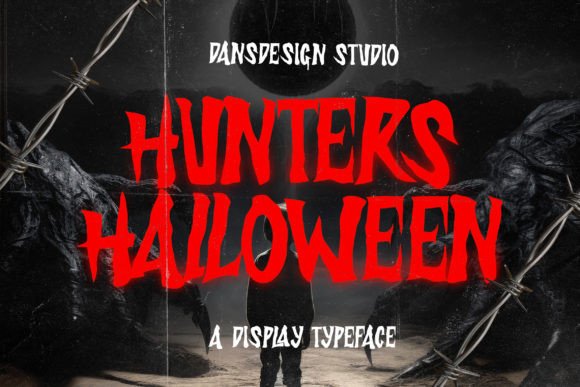
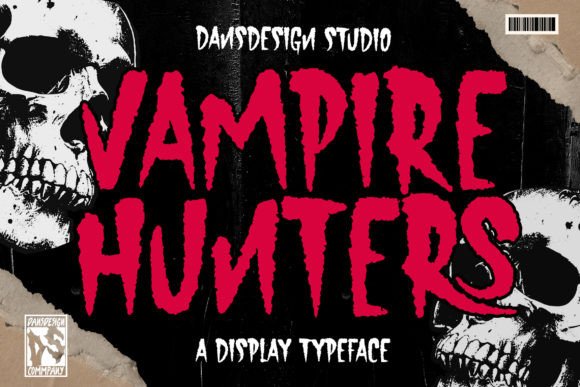
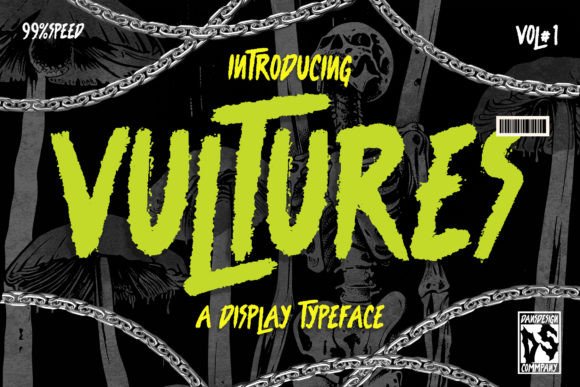
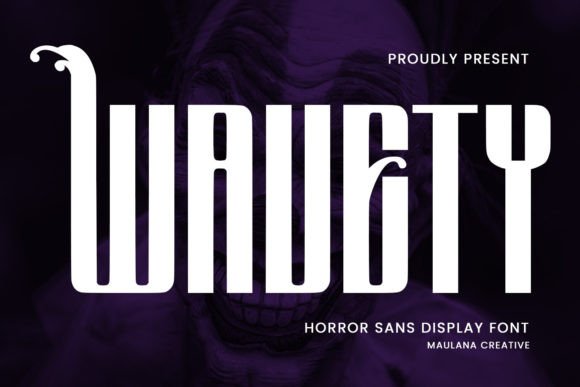
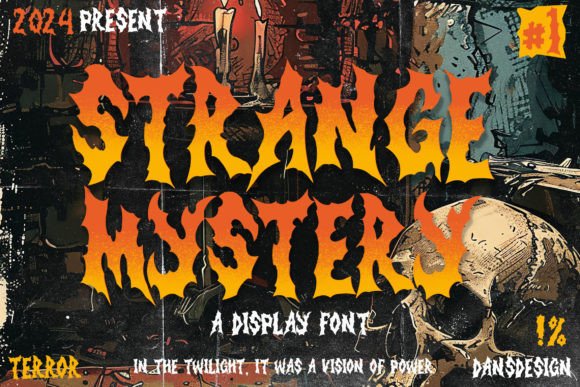
Strange Mystery is a custom font designed to evoke the unsettling and mysterious tones commonly associated with horror, suspense, and Halloween themes. Its letters are irregular, often leaning into asymmetry and sharp angles, which visually mimics the chaos and unpredictability found in dark narratives. The font is not just about looks; it's also built with versatility in mind, allowing designers to use it across various mediums—from digital displays to print materials—without losing its chilling impact.
Typically used for posters, book covers, movie titles, and Halloween decorations, Strange Mystery adds a layer of narrative depth to visual content. It doesn’t just communicate text—it tells a story through its form. For this reason, it has become a go-to choice for graphic designers, authors, filmmakers, and marketers looking to create a memorable and immersive experience for their audiences.
The Growing Demand for Themed Typography
Typography is no longer just a tool for readability. In today’s competitive creative landscape, it serves as a storytelling device and brand differentiator. As industries like entertainment, publishing, and marketing embrace more niche and thematic content, the need for specialized fonts like Strange Mystery has increased significantly.
Horror-themed content, in particular, has seen a surge in popularity. Whether it’s indie films, haunted house experiences, or horror podcasts, there is a growing appetite for content that delivers thrills and chills. This trend extends to visual branding, where the right font can make all the difference in setting the tone before a single word is read. Strange Mystery taps directly into this demand by offering a typographic solution that aligns with the mood and message of horror-centric projects.
Why Designers Are Choosing Strange Mystery
- Attention-Grabbing Visuals: Strange Mystery stands out on the page or screen due to its unconventional letterforms. In a sea of generic sans-serif or serif fonts, it cuts through the noise with its bold, spooky character.
- Emotional Resonance: Fonts have emotional weight. Strange Mystery conveys fear, suspense, and curiosity, making it ideal for content that aims to unsettle or captivate the viewer.
- Brand Identity Alignment: For businesses or creatives targeting a specific demographic interested in horror or supernatural themes, using Strange Mystery helps establish a cohesive and recognizable brand identity.
- Cross-Medium Compatibility: Strange Mystery works well in both digital and physical formats. Whether it’s a website banner or a printed flyer, the font maintains its creepy allure and legibility when needed.
Strange Mystery and the Rise of Niche Content
The rise of streaming platforms and self-publishing has led to a boom in niche content creation. Horror fans are no longer satisfied with mainstream offerings—they seek out unique stories and experiences that resonate with their interests. This shift has placed a greater emphasis on aesthetics that reflect the content’s theme from the very first glance.
For instance, consider the popularity of horror anthologies and independent horror films. These projects often rely on striking visuals to attract attention in a saturated market. A poster with a title in Strange Mystery immediately signals to the audience that they’re in for something unusual, something that dares to play with darkness and mystery. This kind of visual communication is essential in today’s fast-paced media environment, where first impressions can determine engagement levels.
Moreover, Strange Mystery is being adopted in lifestyle and consumer spaces too. Halloween is now a year-round phenomenon, with consumers seeking out products that offer a consistent spooky vibe. From limited-edition apparel to themed home décor, brands are leveraging fonts like Strange Mystery to craft cohesive collections that speak directly to their audience’s desires.
Practical Use Cases and Real-World Examples
- Book Covers: Authors writing in the horror or paranormal genres often use Strange Mystery to give their book covers an otherworldly feel. The font complements imagery such as foggy graveyards, ghostly figures, or ancient symbols, enhancing the overall mystique of the publication.
- Movie Posters: Independent filmmakers and production houses use Strange Mystery to create posters that are instantly recognizable. The font’s jagged style mirrors the tension and unease often present in horror movies, helping set the right expectations for potential viewers.
- Marketing Campaigns: Businesses in the entertainment sector, especially those launching Halloween events or horror-themed merchandise, incorporate Strange Mystery into their promotional materials. This includes everything from social media graphics to event flyers and email newsletters.
- Web Design: Website developers and UX designers working on horror-related sites or blogs use Strange Mystery sparingly but effectively—for headlines, navigation menus, or call-to-action buttons. When used correctly, it enhances user experience without overwhelming it.
Changing Preferences and Workflows in Creative Industries
Designers today are under pressure to deliver content that is not only visually compelling but also emotionally engaging. This has led to a rethinking of workflows, where typography is considered earlier in the design process rather than as an afterthought. Strange Mystery fits seamlessly into this evolving workflow because it offers a high-impact visual element that supports the thematic direction of the project from the outset.
Additionally, the increasing use of AI tools in design has made it easier to experiment with typography. However, while AI can generate countless variations of standard fonts, it cannot replicate the uniqueness of handcrafted typefaces like Strange Mystery. This blend of human artistry and technological accessibility is a key driver behind the font’s rising popularity.
Strange Mystery in the Age of Digital Media
With the rise of short-form video content and social media-driven storytelling, there’s a growing need for fonts that can convey complex emotions quickly. Strange Mystery excels in this area. Its boldness ensures visibility even at small sizes, and its eerie nature communicates the intended tone in a split second.
This is particularly important for creators who want to stand out in crowded feeds. A thumbnail with a title in Strange Mystery might not be the most readable, but it will be the most memorable. And in a world where users scroll endlessly, memorability is a powerful asset.
How Strange Mystery Fits Into Broader Industry Trends
Strange Mystery is part of a larger movement toward experiential design. Across industries, there is a push to create immersive experiences that engage multiple senses and emotional responses. Typography plays a crucial role in this context, acting as a silent storyteller that sets the stage before a single scene unfolds.
Consider the following industry trends that Strange Mystery supports:
- Experiential Marketing: Brands are creating experiences over products. Strange Mystery helps build that experience through its typographic presence.
- Genre-Specific Branding: More companies are tailoring their branding to specific genres. Strange Mystery is perfect for horror, fantasy, or sci-fi brands that want to emphasize a darker, more enigmatic tone.
- Content Differentiation: In a saturated market, differentiation is key. Strange Mystery allows creators to carve out a unique visual identity that resonates with their target audience.
Strange Mystery and Consumer Psychology
Fonts influence how we perceive information. Strange Mystery, with its irregular shapes and bold strokes, triggers subconscious associations with danger, the unknown, and suspense. This makes it an effective tool for content creators who understand the psychology behind design choices.
For example, a podcast titled “The Midnight Whisper” using Strange Mystery for its logo would immediately signal to listeners that they’re entering a space of mystery and horror. This kind of typographic storytelling is becoming more common as creators recognize the power of visual language.
Conclusion
Strange Mystery is more than just a font—it’s a design element that captures the imagination and reinforces the mood of horror-themed content. Its jagged, eerie structure makes it an ideal choice for anyone looking to create a strong visual impact aligned with the supernatural, the macabre, or the mysterious.
As creative industries continue to evolve, the demand for fonts that support thematic storytelling will only grow. Strange Mystery meets this demand head-on, offering a versatile yet distinctive typographic option that speaks directly to modern audiences. Whether you're designing a book cover, crafting a movie poster, or building a brand around the unknown, Strange Mystery provides the perfect canvas for your spooky vision.
By integrating Strange Mystery into your design toolkit, you’re not just choosing a font—you’re embracing a trend that reflects the changing needs and preferences of today’s creators and consumers. So, if you're ready to add some spine-chilling flair to your next project, it might be time to let Strange Mystery take center stage.